
Livelihoods Program
Building sustainable means of earning income and achieving economic self-reliance.
About the Program
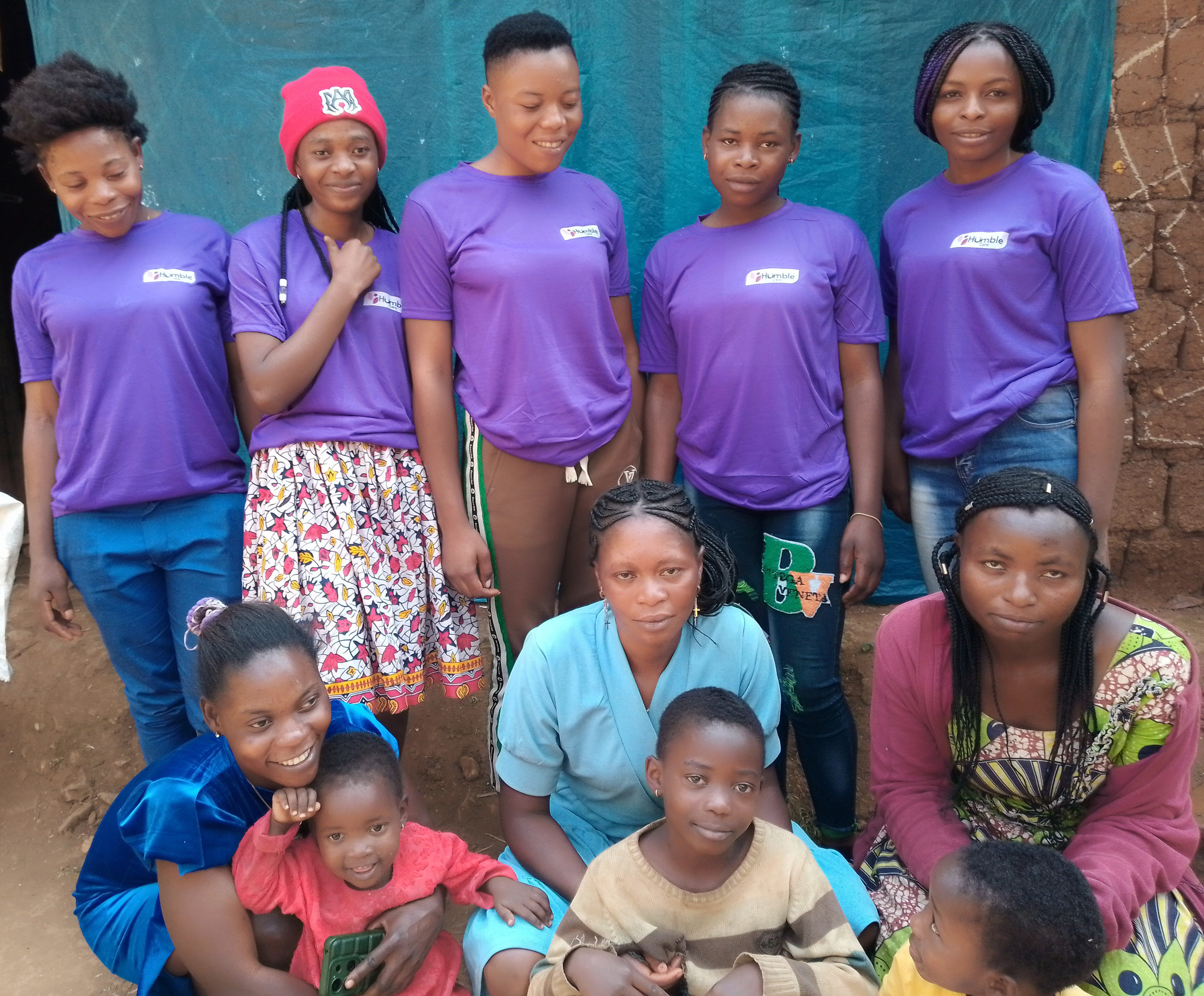
The Livelihoods Program supports individuals, families, young people, women, and vulnerable community members to develop sustainable means of earning income and improving their economic well-being. The program provides practical skills training, entrepreneurship support, financial literacy, access to livelihood opportunities, mentorship, and where resources permit, assistance with starting or strengthening small businesses and income-generating activities. The overall approach is to help people build sustainable livelihoods rather than depend on short-term assistance.
Main Program Objective
To improve the economic well-being and self-reliance of vulnerable individuals and households by providing skills, opportunities, resources, and support for sustainable income-generating activities.
Specific Objectives (7)
Every initiative under this program is measured against the following concrete objectives:
Equip beneficiaries with practical and marketable skills that can lead to employment or self-employment.
Promote entrepreneurship and small-business development, particularly among women and young people.
Improve financial literacy and responsible money management.
Support income-generating activities for vulnerable households where appropriate.
Promote employment and economic opportunities by connecting people with relevant opportunities, training, and networks.
Strengthen existing small businesses through training, mentorship, business planning, and appropriate support.
Improve household resilience so families can better cope with economic difficulties and unexpected challenges.
Key Areas of Intervention
Comprehensive support categories covered under the Livelihoods & Skills initiative:
Skills Development
- ✓ Tailoring and fashion design
- ✓ Hairdressing and beauty therapy
- ✓ Catering and food processing
- ✓ Agriculture and livestock farming
- ✓ Handicrafts and artisan crafts
- ✓ Welding and metal fabrication
- ✓ Carpentry and woodworking
- ✓ ICT and digital skills
- ✓ Photography and creative media
- ✓ Construction and building trades
- ✓ Locally demanded vocational trades
Entrepreneurship
- ✓ How to start a small enterprise
- ✓ Practical business planning
- ✓ Cost calculation and pricing
- ✓ Daily record keeping & bookkeeping
- ✓ Marketing and attracting customers
- ✓ Customer care and retention
- ✓ Inventory and stock management
- ✓ Scaling business operations
- ✓ Digital marketing via social media
- ✓ Managing business risks
Financial Literacy
- ✓ Household and business budgeting
- ✓ Personal and emergency savings
- ✓ Managing household cashflow
- ✓ Separating personal money from business capital
- ✓ Basic accounting principles
- ✓ Responsible borrowing and debt management
- ✓ Understanding profit versus cash revenue
- ✓ Long-term financial planning
Agriculture & Food
- ✓ Small-scale urban and rural farming
- ✓ Vegetable and crop production
- ✓ Poultry and egg farming
- ✓ Livestock rearing (goats, pigs, rabbits)
- ✓ Beekeeping and honey production
- ✓ Food processing and packaging
- ✓ Agribusiness entrepreneurship
- ✓ Sustainable ecological farming
Digital & Modern Skills
- ✓ Online freelancing and remote work
- ✓ Digital business services
- ✓ E-commerce and online retailing
- ✓ Graphic design and branding
- ✓ Web development and digital tools
- ✓ Digital content creation
- ✓ Digital payments and mobile money solutions
Main Activities & Field Operations
How our field coordinators, volunteers, and partner institutions carry out this program:
Vocational & Skills Training
Organize practical, high-demand vocational training workshops based on community assessments.
Entrepreneurship Bootcamps
Deliver structured training on launching, pricing, recording, and expanding small enterprises.
Business Mentorship Program
Pair emerging entrepreneurs with established business mentors for regular coaching.
Income-Generating Asset Grants
Provide productive starter assets (sewing machines, baking ovens, toolkits) rather than pure cash.
Apprenticeships & Internships
Partner with local enterprises and master artisans to provide real-world on-the-job training.
Savings & Financial Education
Teach budgeting, bookkeeping, and establish community-based savings and credit groups.
Market Linkages & Networking
Help producers identify profitable markets, reliable suppliers, and commercial buyers.
Livelihood Fairs & Showcases
Organize community trade fairs where beneficiaries display, market, and sell their products.
Post-Training Follow-Up
Track beneficiary business milestones and offer continuous advisory support over 12 months.
Our Promise to Beneficiaries & Communities
Humble Care maintains a zero-fee policy. We do not ask beneficiaries for payments or bribes. Support is allocated fairly based on verified need, transparency, and resource availability. All individual records and family situations are managed with strict confidentiality and respect.